
Introduction to the 4 String Banjo
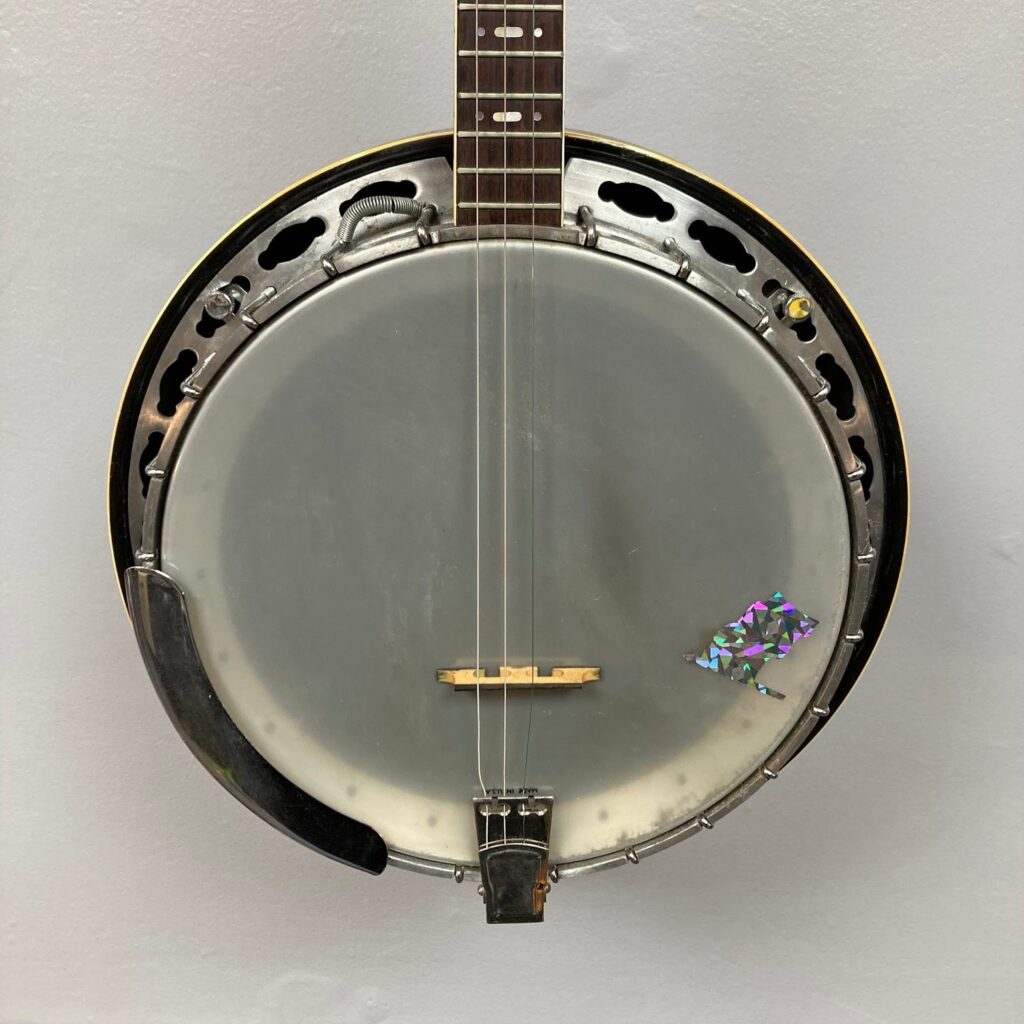
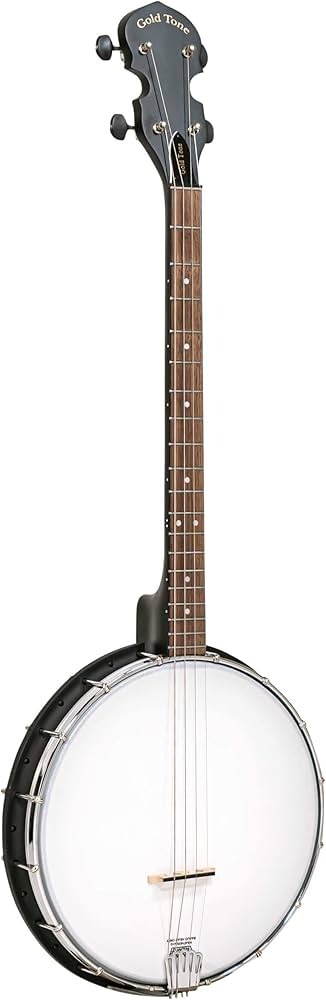
The 4 string banjo is a versatile instrument widely used in Irish traditional music, jazz, and early American folk styles. Unlike the 5-string banjo, which is often associated with clawhammer techniques and bluegrass music, the 4 string banjo comes in two main varieties: tenor and plectrum. Both types are valued for their bright, punchy sound and ability to carry both melody and rhythm effectively.
Compact and lightweight, the 4 string banjo is ideal for beginners who want a manageable instrument without sacrificing musical range. Its distinctive tone and rapid response make it perfect for session playing, solo performances, or ensemble work.
Types of 4 String Banjos
- Tenor Banjo
- Shorter neck, typically 17 or 19 frets
- Tuned GDAE or CGDA, similar to viola tuning
- Primarily used in Irish traditional music
- Played with fingers or a pick for fast, melodic lines
- Plectrum Banjo
- Longer neck, usually 22 frets
- Tuned CGBD
- Popular in jazz, swing, and early 20th-century music
- Played with a plectrum or pick, often for chordal accompaniment
Selecting between these two types depends on your preferred style and intended musical repertoire. Tenor banjos are excellent for reels, jigs, and hornpipes, while plectrum banjos shine in jazz and strummed chordal settings.
Advantages of the 4 String Banjo
The 4 string banjo offers several benefits:
- Ease of Learning: With fewer strings than a 5-string banjo, beginners can quickly learn chords and melodies.
- Portability: Lightweight and compact, it’s easy to carry to sessions or gigs.
- Versatility: Suitable for melodic lead, rhythmic accompaniment, or solo performance.
- Bright Tone: Cuts through ensembles, making it a popular choice in sessions and folk groups.
Its combination of simplicity, playability, and expressive tone makes it a preferred instrument for both new players and seasoned musicians.
Playing Techniques
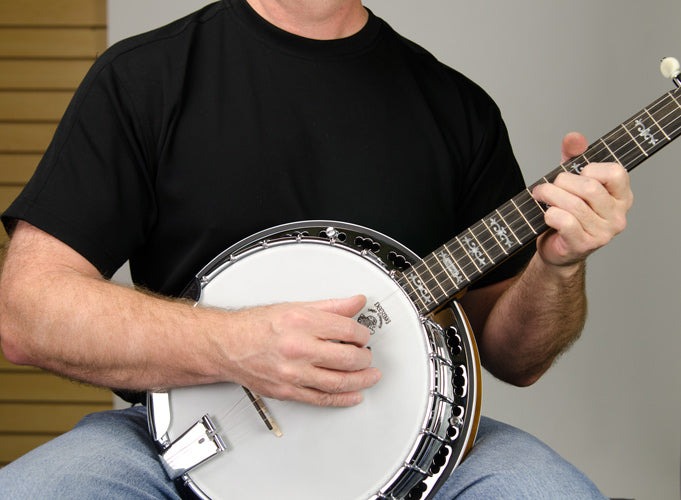
Mastering the 4 string banjo requires coordination between the fretting hand and the picking or strumming hand. Key techniques include:
- Strumming and Rolls: Establish rhythm and create dynamic patterns, particularly in Irish music.
- Melodic Runs: Execute fast sequences for reels, jigs, and hornpipes.
- Ornamentation: Incorporate slides, hammer-ons, and pull-offs for expressive phrasing.
- Chordal Playing: Particularly on the plectrum banjo, smooth chord transitions are essential for accompaniment.
Regular practice allows players to combine melody and rhythm, producing a full, engaging sound.
Musical Styles and Applications
The 4 string banjo’s versatility enables it to fit into many musical contexts:
- Irish Traditional Music: Tenor banjos provide melody and rhythmic drive in sessions.
- Jazz and Swing: Plectrum banjos supply chordal harmony and rhythmic texture.
- Folk and Early American Music: Adds a bright, percussive element to ensembles.
- Solo Performance: Capable of both melodic intricacy and harmonic accompaniment.
Its clear, vibrant sound allows it to be heard over other instruments while maintaining tonal richness for solo pieces.
Buying Tips for a 4 String Banjo
When choosing a 4 string banjo, consider the following:
- Type of Banjo: Tenor for traditional/folk music, plectrum for jazz or strumming.
- Construction: Solid wood bodies provide better tone than laminated models.
- Action and Playability: Comfortable string height and smooth frets are important.
- Strings and Tuning: Ensure the strings suit your style and desired sound.
Investing in a quality instrument enhances playability, sound, and long-term durability.
Maintenance and Care
Proper care keeps a 4 string banjo performing at its best:
- Store in a protective case to avoid damage and dust.
- Wipe down strings and body after playing to prevent corrosion.
- Check tuning pegs, bridge, and head tension regularly.
- Replace strings when worn to maintain a bright, consistent tone.
Routine maintenance extends the life of the instrument and ensures consistent performance.
Conclusion
The 4 string banjo is a highly versatile, approachable, and enjoyable instrument suitable for musicians of all levels. Its bright tone, portability, and adaptability make it ideal for Irish traditional music, jazz, folk, and solo performance. With consistent practice, the right techniques, and proper care, a 4 string banjo can provide years of musical enjoyment and creative expression.